The place where you work out has a much greater impact on your fitness journey than many people realize. While training principles and workout programs are important, the environment in which you exercise strongly influences motivation, consistency, and overall experience. Choosing the right setting can make the difference between fitness feeling like a constant struggle or a natural part of daily life.
For many people, the gym is the first place that comes to mind. Gyms offer structure, variety, and access to equipment that cannot easily be replicated elsewhere. Weight machines, free weights, cardio equipment, and dedicated spaces for stretching or functional training provide endless possibilities. The gym environment can also create a psychological commitment. Simply being in a space designed for exercise helps many people focus and disconnect from daily distractions. Seeing others train can be motivating and reinforce the feeling of belonging to an active lifestyle.
However, gyms are not ideal for everyone. Some people feel intimidated, rushed, or uncomfortable in a public training space. Crowded hours, travel time, and membership costs can also become barriers to consistency. When going to the gym starts to feel like an obligation rather than an opportunity, motivation often declines.
Home workouts offer a different kind of advantage. Training at home removes many common obstacles, such as commuting, waiting for equipment, or adjusting to gym schedules. Home workouts provide flexibility and privacy, allowing people to exercise at their own pace and on their own terms. This environment works especially well for those with busy schedules, families, or unpredictable routines. When exercise is easily accessible, it becomes easier to stay consistent, even on low-energy days.
That said, home workouts require a certain level of self-discipline. Without a change of environment, it can be harder to mentally switch into “training mode.” Distractions such as phones, household tasks, or work responsibilities may interfere. For some, limited space or equipment can also reduce variety, which may affect long-term motivation.
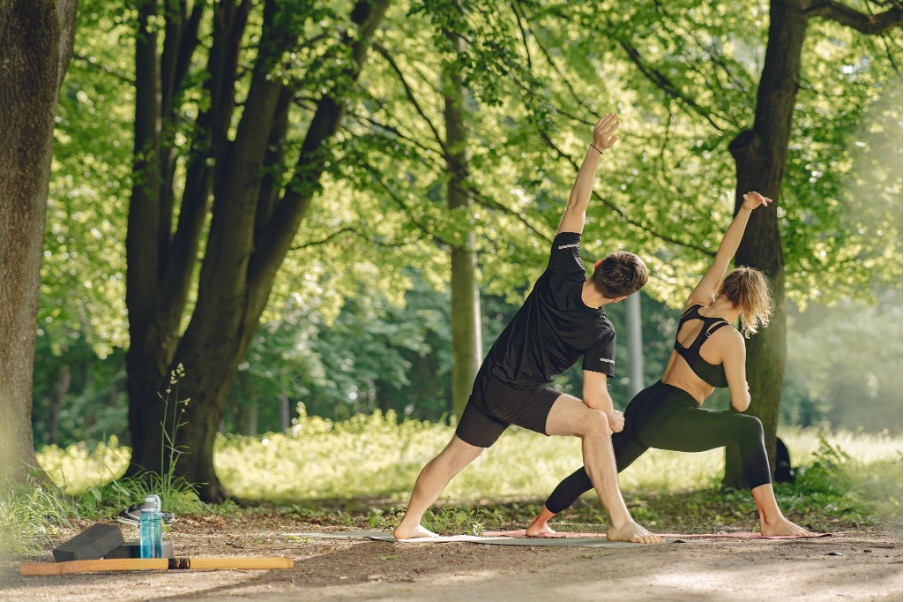
Outdoor workouts offer a unique balance between structure and freedom. Exercising in parks, trails, or open spaces combines physical activity with fresh air and natural surroundings. Outdoor training often feels less restrictive and more enjoyable, especially for cardio, mobility, or bodyweight exercises. Natural light and changing scenery can reduce stress and improve mood, making workouts feel less like a task and more like a break from routine.
Weather and accessibility are the main limitations of outdoor training. Seasonal changes, safety concerns, or lack of suitable spaces may restrict consistency. Still, for many people, outdoor workouts add variety and mental refreshment that indoor environments cannot provide.
The most effective approach for many individuals is not choosing a single environment, but combining several. Alternating between gym sessions, home workouts, and outdoor activity adds flexibility and reduces the risk of boredom. This adaptability makes it easier to maintain fitness during travel, busy periods, or changes in routine.
Ultimately, the best place to work out is the one that supports regular movement. There is no perfect environment, only the one that fits your lifestyle, preferences, and energy levels. When the training setting feels comfortable and accessible, fitness becomes easier to sustain.
Where you work out should reduce friction, not create it. When your environment supports consistency and enjoyment, exercise stops feeling like a challenge and becomes a natural habit that enhances both physical and mental well-being.