Understanding your main fitness goal is the foundation of any successful and sustainable training journey. Without a clear objective, physical activity often turns into an inconsistent habit where motivation fades quickly and results feel random. A well-defined goal provides direction, structure, and meaning. It helps you understand not only what you want to achieve, but also why you are willing to invest time and effort into fitness.
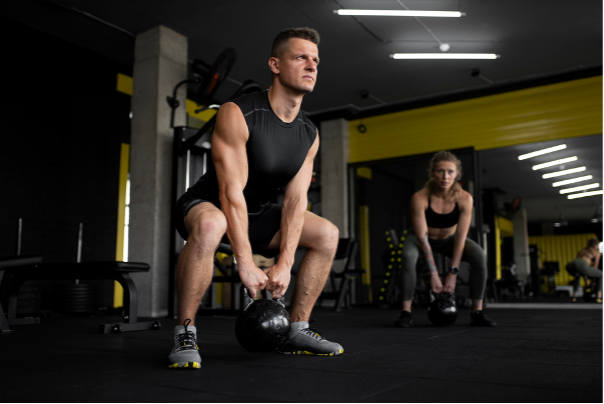
For many people, the primary goal is building muscle and strength. This objective is not only about appearance, but also about functionality. Increased muscle mass improves posture, supports joints, and makes everyday movements easier and safer. Strength-focused individuals often enjoy measurable progress, such as lifting heavier weights or performing exercises with better control. Over time, this goal builds confidence and creates a strong connection between effort and results.
Others focus on weight loss and fat reduction. This goal is usually driven by the desire to feel lighter, more comfortable, and healthier in daily life. Reducing excess body fat can improve mobility, energy levels, sleep quality, and overall well-being. For many people, weight-related goals are also connected to emotional factors such as self-confidence and comfort in social situations. When approached realistically, this goal encourages consistency and healthier long-term habits rather than extreme short-term solutions.
An increasing number of individuals choose a broader goal centered on overall health and energy. Instead of chasing dramatic physical changes, they prioritize feeling better throughout the day. This approach often includes regular movement, flexibility, mobility, and stress management. People with this goal aim to reduce fatigue, improve focus, and support long-term health rather than achieving a specific physical milestone. This mindset is especially effective for maintaining fitness over many years.
It is important to understand that fitness goals are not fixed. They naturally evolve as lifestyles, responsibilities, and physical needs change. Someone may start with weight loss, later shift toward muscle building, and eventually focus on maintaining strength and mobility. This evolution is not a sign of inconsistency, but a reflection of growth and self-awareness.
The most effective fitness goal is not the one that looks impressive, but the one that fits your real life. It should align with your schedule, energy levels, and personal values. When a goal feels realistic and meaningful, motivation becomes more stable and fitness stops feeling like a constant struggle. Instead, it becomes a supportive part of daily life, helping you feel stronger, healthier, and more confident over time.